As we step into a new year, I invite you to pause and gently check in with your intentions and aspirations. Rather than moving forward on autopilot, this moment offers a powerful opportunity to get deliberately clear about who you are and what truly matters to you in the months ahead. When we slow down with intention, we create space for alignment instead of simply reacting to what’s next.
I see how easy it is for all of us to get caught on the hamster wheel of daily life—busy, constantly moving, yet not always certain about what we truly want or need. Through gentle self-inquiry, I’ve found that we can reconnect with ourselves, uncover what’s most meaningful, and begin living with greater clarity, purpose, and joy.
Discovering Your Vision
I encourage you to take time to reflect deeply on what you want. You may think you already know—and you might—but when we slow down and listen beneath the surface, we often discover insights that surprise us. These quieter truths are usually the ones guiding us most authentically.

Setting Personal Objectives
I describe objectives as the steppingstones that turn intention into reality. They are the actions and commitments that help translate your inner clarity into lived experience. Without them, a vision remains an idea; with them, it becomes a path.
I invite you to reflect on your goals across the key areas of your life—and just as importantly, to write them down. Begin with your big-picture intentions: your deeper reasons for living, how you want to contribute to others, and the longings of your heart. Then consider your wellbeing and health, asking how you want to feel over the next 12 months—mentally, emotionally, and physically.
Turn next to your relationships: your love life, family connections, and the friendships or communities you want to nurture. Explore your personal growth goals—what you want to learn, the habits you’d like to develop, the books you want to read, and any classes or courses calling to you. Clarify your career goals by focusing on the results you want to achieve, along with your financial goals around earning, saving, and investing.
And don’t forget fun. Where do you want to travel? What hobbies or joyful activities will you make space for? For me, that includes a lot more coloring—because joy isn’t optional; it’s essential.

Visualizing the Results
One of the most powerful practices I teach about is visualization—the ability to clearly imagine what you want and allow it to begin unfolding. Athletes and high performers use visualization because it conditions the brain for real-world performance, aligning the mind and body with the outcome they’re working toward.
When we regularly engage in vivid, detailed imagery, we train the brain to recognize and pursue what we desire. I encourage you to practice creating a mental picture of your vision and objectives, allowing yourself to fully feel what it’s like to already be living that reality. To deepen this practice, I invite you to make your vision tangible through a vision board—giving your intentions a visual home you can return to again and again.
Creating a Vision Board
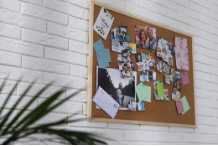
I teach vision boarding as a way to bring clarity to big-picture dreams and anchor intentions in something tangible. A vision board is simply a collection of images, words, and phrases that represent what you want to experience and create in your life—and when used intentionally, it becomes a powerful tool for focus and manifestation.
You can create one on a poster board or design a digital collage using free apps or social platforms. I then encourage you to place your vision somewhere you’ll see it daily—on a wall, as your phone or computer wallpaper, or inside a journal—so you can stay connected to it and open to the opportunities that support your goals.
When you engage with your vision board each day, you’re participating in mental training. Those images begin to live in your subconscious, subtly shaping your thoughts, choices, and actions. With intention, consistent action, and focused attention, your aspirations remain front and center—making it far more likely that you’ll move toward the life you’re envisioning.