
There is something subtle, but very real, that happens when the seasons begin to change.
We often notice it in nature first: longer days, warmer air, brighter mornings, fuller calendars, and a different kind of energy in the world around us. But we sometimes forget that those same shifts are happening within us, too.
The Internal Shift: Why We Feel the "Summer Rush"
As we move from spring into summer, the body and mind begin to adjust. Energy may increase. Sleep patterns may shift. Digestion can feel different. Emotions may rise more quickly. We may feel more restless, overstimulated, impatient, or pulled into the feeling that we need to do more, move faster, and fill every available space. This is an invitation to not resist, but instead be aware.
Rather than resist this, seasonal transition invites us to become aware.
Understanding Pitta: The Internal Fire of Leadership
In Ayurveda, these moments of transition are deeply important because what is happening around us influences what is happening within us. We are not separate from nature. We are in constant relationship with it.
Summer brings more heat, light, activity, and intensity. In Ayurvedic philosophy, this can increase what is known as Pitta energy, our internal fire. Pitta is not a problem. In balance, it supports focus, leadership, clarity, transformation, ambition, and the ability to move things forward.
But when that fire becomes excessive, we may begin to feel inflamed physically, mentally, or emotionally.
The Signs of Seasonal Overstimulation
Sometimes this looks like disrupted sleep. Sometimes it looks like burnout. Sometimes it shows up as irritability, tension, over-scheduling, impatience, or the sense that we constantly need to push harder.
And often, we do not realize how much the season itself may be contributing. One of the most supportive things we can do during seasonal transitions is slow down enough to notice what the body is asking for.
Gentle Recalibrations: Staying Steady in the Heat
That does not mean stopping life entirely. It means making small, intentional adjustments that help the nervous system stay steady while the world around us becomes brighter, warmer, and more active.
Simple cooling practices can make a meaningful difference:
- Choosing cooling, hydrating foods
- Taking small pauses between meetings or responsibilities
- Creating intentional moments of rest
- Walking or stretching instead of always pushing through intense exercise
- Practicing calming breathwork
- Softening the pace, not only to cool the body, but to cool the mind
These are not dramatic changes. They are gentle recalibrations. And this is The Medha Way: making wellbeing a habit through small, practical moments of self-care woven into real life.

Evening Rituals to Signal Safety
This becomes especially important in summer, when longer days and increased light can keep the body and mind stimulated later into the evening. A calming nighttime routine can help signal safety and rest to the nervous system.
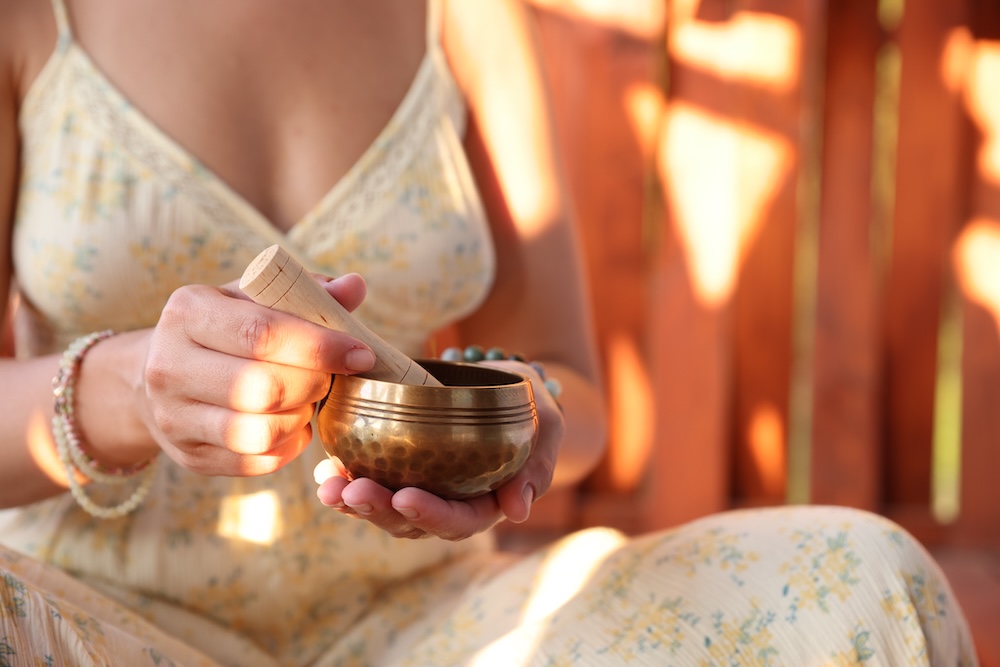
That might look like dimming the lights, reducing screen time, practicing gentle breathwork, doing a body scan meditation, or even giving yourself a simple foot massage before bed. Small rituals like these tell the body: the day is complete, and it is safe to settle.
The Practice: Cooling Breath (Sitali Pranayama)
Another helpful summer practice is a yogic breathing technique known as Cooling Breath, or Sitali Pranayama. When you feel overheated, whether physically, mentally, or emotionally, pause and take a few slow rounds of cooling breath.
Traditionally, this is practiced by curling the tongue into a small “U” shape, inhaling slowly through the mouth, then closing the mouth and exhaling through the nose. If curling the tongue is not comfortable or accessible, simply form a small circle with the lips and breathe in slowly, as if sipping air through a straw. Repeat several times and notice the cooling, calming effect. I found this fun video that shows you how to perform this quick technique.
Honoring the Rhythm of the Solstice
Ayurveda reminds us that wellness is not about perfection. It is about relationship: relationship with ourselves, our environment, our routines, and the rhythms of nature.
The summer solstice, often viewed as the official beginning of summer and the longest day of the year, reminds us of the power of light, heat, and seasonal change. Whether or not we think deeply about the energetic significance of the seasons, most of us can recognize that changes in light, temperature, pace, and routine affect how we feel.
Our bodies respond.
Our minds respond.
Our nervous systems respond.
When we begin to honor those shifts instead of pushing against them, we create more space for balance, clarity, and steadiness.
Seasonal transitions are an invitation to listen more closely. To soften where we have become rigid. To move with awareness instead of urgency. To make small adjustments before imbalance becomes exhaustion.
And perhaps most importantly, they remind us that we, too, are part of nature, not separate from it.
Would you like to explore how these practices can support your workforce, leadership team, or wellbeing programs? Book a session, and let’s discuss how to bring simple, seasonal self-care into the workplace in a meaningful and practical way.
FAQ
What is Pitta energy in Ayurveda?
In Ayurvedic philosophy, Pitta energy is associated with heat, transformation, focus, and intensity. During the summer months, increased heat and activity can elevate Pitta, which may contribute to irritability, overstimulation, inflammation, or burnout when it becomes excessive.
Why do seasonal transitions affect the nervous system?
Changes in light exposure, temperature, routines, and activity levels can influence the body and nervous system. These shifts may affect sleep, digestion, mood, energy, and stress levels as the body adapts to a new seasonal rhythm.
What are simple ways to stay balanced during summer?
Small daily adjustments can help regulate the nervous system during warmer months. Cooling foods, hydration, intentional rest, calming breathwork, reduced evening screen time, and gentle movement like walking or stretching can all support greater balance.
What is Cooling Breath, or Sitali Pranayama?
Sitali Pranayama, often called Cooling Breath, is a yogic breathing technique used to help cool the body and calm the mind. It involves inhaling slowly through a curled tongue or rounded mouth and exhaling through the nose.
How can mindfulness support seasonal wellness?
Mindfulness helps us notice how our bodies, emotions, and energy respond to seasonal change. By slowing down and paying attention, we can make small supportive choices that help us move through transition with more clarity, steadiness, and self-compassion.