
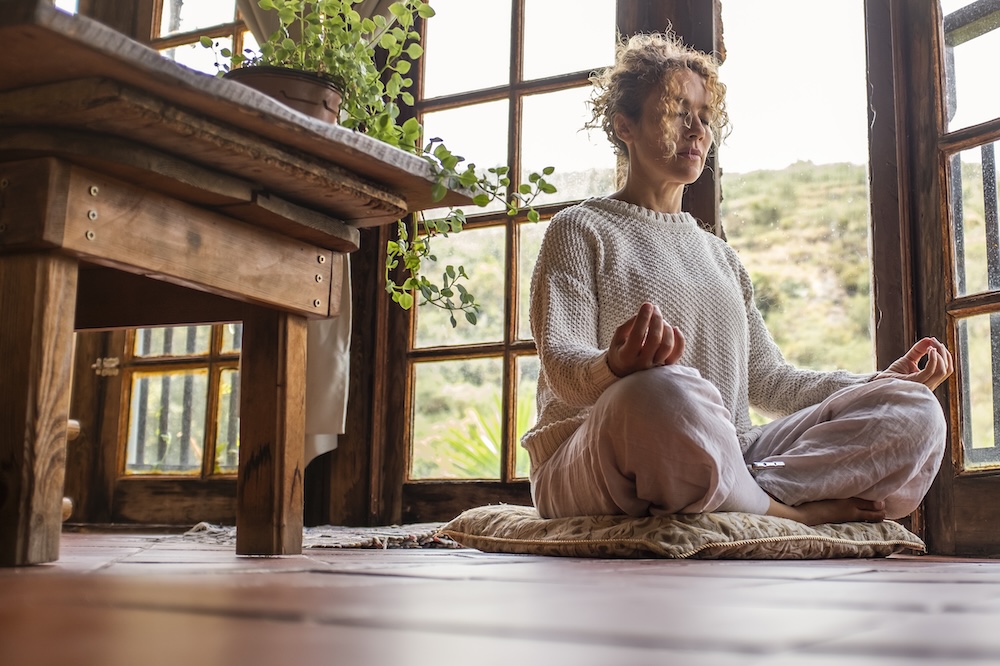
For years, my meditation practice taught me how to sit still, breathe deeply, and regulate my nervous system. But it was Bruce Lee’s philosophy—specifically his simple yet profound idea to “be water”—that transformed how I move through life itself.
For Bruce Lee, this idea wasn’t abstract. It directly shaped his martial arts philosophy. He rejected rigid forms and fixed techniques, believing that real effectiveness came from adaptability—responding to what’s actually happening rather than executing rehearsed movements. Water became his model: fluid, responsive, powerful without being stiff.
I first encountered this concept casually, as many people do, through a viral quote. But it wasn’t until I read Be Water, My Friend by his daughter Shannon Lee that the idea truly landed—not just as a metaphor, but as a way of living. What struck me most was how seamlessly this philosophy aligned with everything I had been practicing for decades: mindfulness, non-attachment, adaptability, and deep trust in the intelligence of life.
Water Doesn’t Fight—It Responds
In meditation, we’re taught not to suppress thoughts, but to notice them and let them pass. In yoga, we learn that forcing a pose creates tension, while breath and patience create openness.
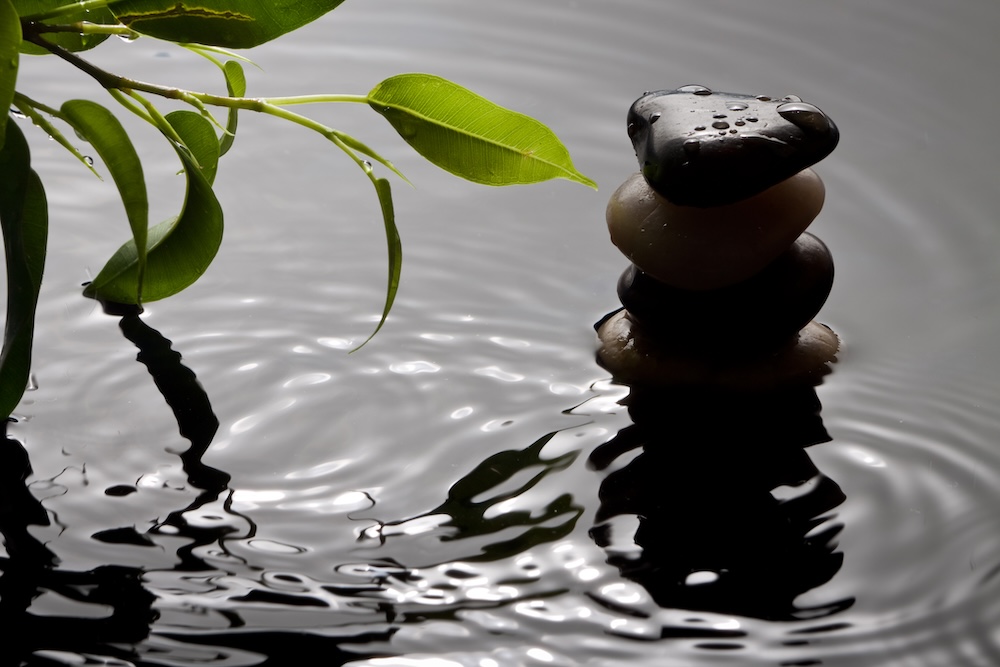
This is exactly how Bruce Lee approached combat. Instead of meeting force with force, he emphasized interception, timing, and responsiveness. Rather than fighting an opponent head-on, he flowed around resistance, adapting moment by moment. Water embodies all of this. It doesn’t argue with the shape of the container—it becomes it. It doesn’t panic when blocked—it finds another route.
Reading Be Water, My Friend helped me see how often I was still resisting life in subtle ways: gripping outcomes, replaying old narratives, pushing against timing that wasn’t mine to control. Bruce Lee’s philosophy reframed strength for me—not as rigidity or dominance, but as responsiveness.
Structure Without Rigidity
One of the most powerful insights from Shannon Lee’s book is that being water does not mean being passive. Bruce Lee was intensely disciplined—obsessive about training, study, and refinement. But he refused to let structure turn into confinement.
This was a game-changer for me. As someone who values daily practice, consistency, and intentional growth, I worried that “going with the flow” meant letting go of discipline. But water has structure. Rivers have direction. Waves have rhythm. The key is flexibility without collapse.
In my own life, this meant continuing to show up for my practices while loosening my grip on how progress should look. Some days the practice is stillness. Other days it’s movement. Both are correct.
Growth Happens When Resistance Ends
Bruce Lee believed that rigidity—physical or mental—was a liability. The same has proven true in my own life.
The periods of greatest growth didn’t come from pushing harder; they came from surrendering smarter.
When I stopped fighting uncertainty, I became more creative.
When I stopped clinging to identity, I became more authentic.
When I stopped forcing answers, clarity arrived on its own schedule.
This is the heart of be water. It’s not about drifting aimlessly—it’s about trusting your capacity to adapt, moment by moment, without losing your essence.
Living the Practice Off the Mat
What Bruce Lee articulated so clearly—and what his daughter brings into modern language—is that philosophy only matters if it’s lived. Being water isn’t confined to training halls or meditation cushions. It shows up in conversations, in conflict, in leadership, and in the moments when life doesn’t go according to plan.
Today, when things feel tight or overwhelming, I ask myself:
- Where am I resisting instead of responding?
- What would soften this moment?
- How can I move with what’s here instead of against it?
Almost every time, the answer brings relief.
The Takeaway
Water teaches us that strength and softness are not opposites—they are partners. Bruce Lee understood this in combat. My practice has taught me the same in life. When we learn to flow rather than brace, we don’t lose ourselves.
We become more fully who we are.
And that realization—more than any pose, technique, or philosophy—has been the greatest gift of my practice.
Latest Posts
The Enduring Anchor: Lessons in Resilience from Ruth Bader Ginsburg
When we think about heart health, we usually picture treadmills and salads. But chronic stress is the invisible workout your heart never signed up for. Discover how meditation creates measurable physiological changes—from lowering blood pressure to boosting HRV—to help your system finally find its way back to balance.
The “Invisible Workout” Your Heart Never Signed Up For
When we think about heart health, we usually picture treadmills and salads. But chronic stress is the invisible workout your heart never signed up for. Discover how meditation creates measurable physiological changes—from lowering blood pressure to boosting HRV—to help your system finally find its way back to balance.