
When we think about heart health, we usually picture salads, treadmills, and that annual checkup we swear we won’t postpone this year. All of that matters, but there’s another major player in cardiovascular health that doesn’t get nearly enough attention: stress, the invisible workout your heart never signed up for. Chronic stress keeps your body stuck in fight-or-flight, like an alarm that never shuts off. Cortisol and adrenaline stay elevated, driving up blood pressure and inflammation, and putting constant wear and tear on your heart. Over time, your system forgets how to relax, recover, and find balance.
February is Heart Health Month, an ideal time to consider daily meditation as part of a heart-healthy routine. It’s simple, accessible, and doesn’t require special equipment or a gym, just a few consistent minutes alongside healthy habits.
Meditation isn’t just background music for your mind. It creates measurable changes that support heart health. Research shows it activates the body’s rest-and-recovery response, lowering stress hormones, calming the nervous system, and reducing blood pressure. Studies also link meditation to lower resting heart rate and inflammation, two major risk factors for heart disease, giving your heart a breather.
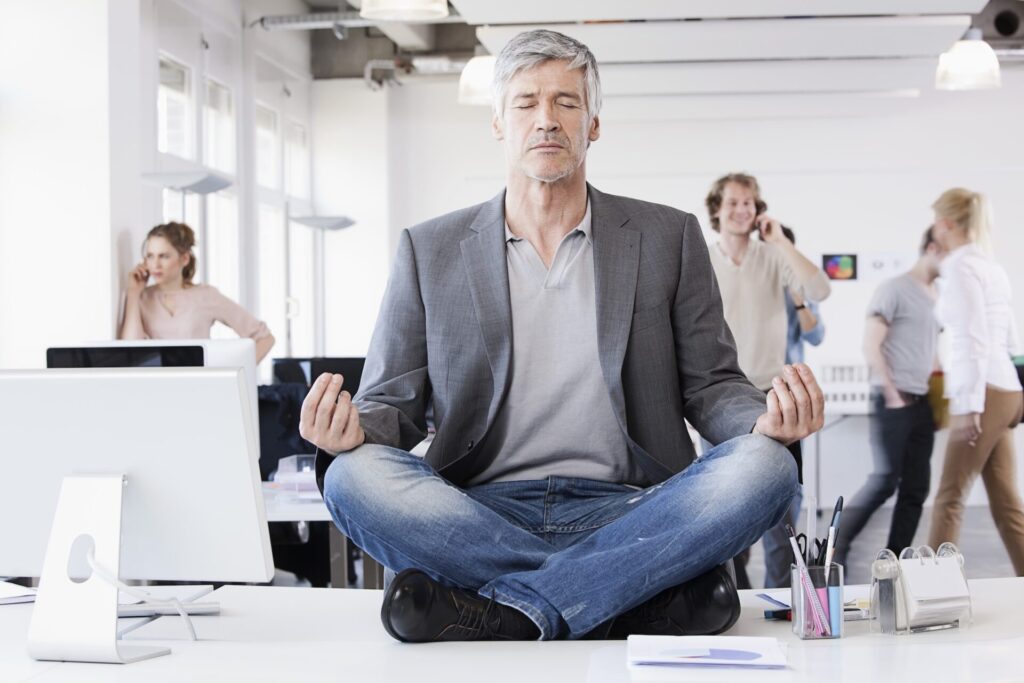

Meditation also boosts heart rate variability, basically how well your heart handles stress instead of panicking. Higher heart rate variability means more cardiovascular resilience and lower risk of heart attack or stroke. With consistent practice, you might even see your Apple Watch or Oura Ring reflect improved heart rate variability scores, subtle proof that meditation strengthens your body’s rest-and-recover mode.
Meditation isn’t about avoiding stress, though that would be nice. It’s about not letting stress run the show. Like physical fitness, the benefits come from consistency, not intensity. Even short daily practices help dial down stress reactions and support long-term heart health.
Try This Meditation
Try this simple two-minute heart-centered meditation. Sit comfortably and inhale through your nose for four counts, pause briefly, then exhale through your mouth for six. As you breathe, imagine the area around your heart softening, with no effort and nothing to fix. Continue for two minutes, then notice how you feel. Doing nothing can actually work.
Heart Health Month Takeaway: When the nervous system feels safer, the heart functions better. Meditation helps make that safety a daily habit.