
Rooted In Gratitude
In the fall, our days grow shorter, the pace of nature begins to slow, and we enter a season traditionally associated with harvesting, gathering, and giving thanks.
Throughout the growing season, farmers have invested time, energy, and care into cultivating their crops. As autumn arrives, that effort comes to fruition. Some of the most familiar foods harvested during this season are root vegetables.
Unlike crops that grow above ground, root vegetables develop beneath the surface, drawing nutrients from the soil and gradually growing stronger. Their growth is largely unseen, yet the results are valuable and nourishing.
In much the same way, meaningful self-care often happens through small, consistent actions that may not produce immediate or visible results. But over time, these efforts quietly help us build resilience, maintain balance, and support our overall well-being.
Rooting in gratitude can develop in much the same way. Just as healthy roots provide ongoing nourishment and stability, a consistent gratitude practice can help us stay grounded, strengthen our resilience, and positively influence our overall sense of well-being.
Research shows that practicing gratitude can have a positive impact on our mental and emotional well-being. A review of 25 clinical trials published in the International Journal of Applied Positive Psychology found gratitude has a significant effect on psychological wellbeing, including being shown to increase happiness, positive emotions, and overall life satisfaction.
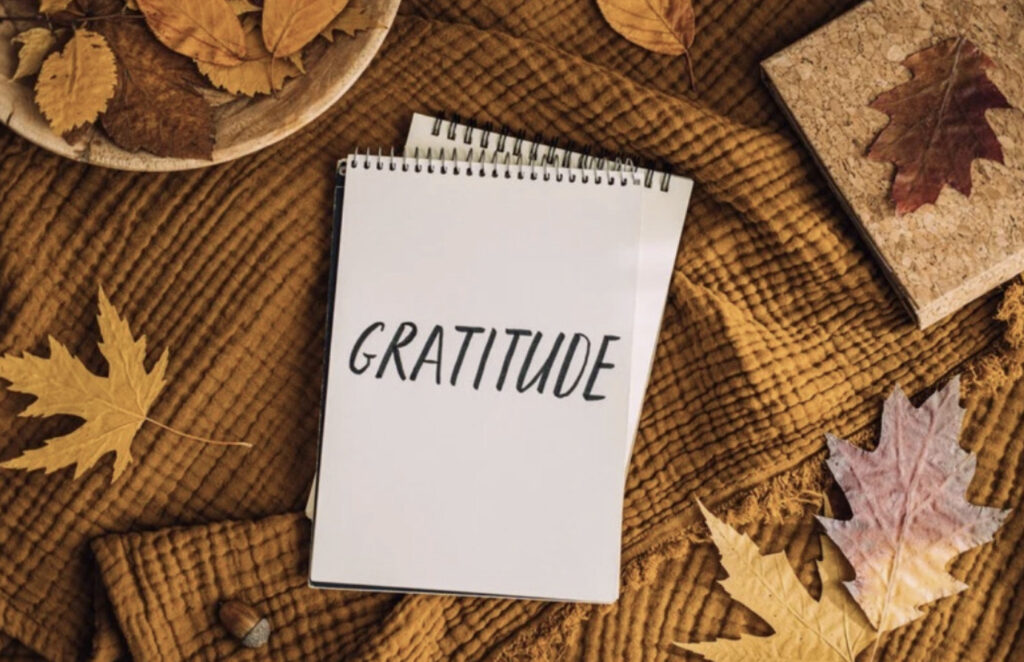
Shifting Perspective
The good news is that gratitude doesn’t have to be complicated. It’s simply taking a moment, on a regular basis, to recognize what’s going well and what we appreciate.
This helps shift our attention from what’s missing or stressful to what’s positive, giving us a more balanced perspective.
I experienced this firsthand during my cancer journey. Even during the most challenging times, I felt tremendous gratitude for the love and support surrounding me and I made it a point to express it. That appreciation helped buoy me and gave me strength when I needed it most.
Gratitude doesn’t mean ignoring difficulties or pretending everything is positive. It’s simply another tool in our toolkit – one that can help us manage stress, maintain perspective, and support our overall sense of well-being.
Small Practices, Meaningful Benefits

Like many healthy habits, gratitude is often most sustainable when we start small. Think of it as taking micro-doses of appreciation throughout the day or week. A few moments here and there may not seem significant, but over time, these small, consistent efforts can help us develop a more appreciative outlook.
The key isn’t perfection. It’s consistency.
Here are three simple ways to make gratitude part of your everyday life.
1. The Gratitude Flip: A Fresh Perspective
When something frustrates you, try shifting your perspective by asking, “Is there something here I can still appreciate?”
For example:
- Stuck in traffic? Enjoy a favorite song or take a few deep breaths.
- A busy schedule? Appreciate having meaningful things to do.
- A difficult day? Remember that better days are ahead.
- A medical appointment? Be grateful for access to care and support.
- Saying goodbye? Appreciate the people and experiences that made it meaningful.
Gratitude doesn’t mean ignoring life’s challenges. It means making room for the positive alongside the difficult. With practice, this perspective shift can become more natural.
2. One Person, One Habit: Spread the Gratitude
Think about the last time someone sincerely thanked you. How did it make you feel?
Make it a habit to express appreciation to one person regularly. Send a text, leave a note, or simply offer a heartfelt thank-you.
Whether acknowledging a coworker’s help or a friend’s kindness, small expressions of gratitude strengthen connections and create a ripple effect. When people feel appreciated, they’re often inspired to extend that positivity to others.
3. The “What Went Right” Check In
At the end of the day, it’s easy to focus on what went wrong. Instead, take a few deep breaths and identify three things that went right or that you’re grateful for.
They don’t have to be big:
- Someone bought you coffee.
- You shared a laugh.
- You enjoyed a few minutes outside.
- A problem wasn’t as bad as expected.
- You made it through a challenging day.
You can write them down or simply reflect. Even on difficult days, noticing one small positive moment is a meaningful start.
Over time, this practice can help shift your attention from what’s missing to what’s already good in your life.
Cultivating Gratitude Beyond The Season
The holiday season invites us to appreciate the people and moments that enrich our lives. But why limit gratitude to the holidays?
Like roots growing quietly beneath the surface, gratitude grows stronger through small, consistent practices.
Choose one gratitude practice to incorporate into your daily routine and notice how it shifts your perspective and well-being over time.
Gratitude isn’t about having everything we want. It’s about appreciating what we have and finding the good, even amid life’s challenges.
And that’s something worth cultivating all year long.
Grateful For Your Team?
Gratitude isn’t just a personal practice — it’s a leadership tool. When teams feel seen, appreciated, and grounded, they perform better, communicate more openly, and experience less burnout.
Kelly can help you embed simple, evidence-based wellbeing practices into your workplace culture — starting with a free introductory session.